Walkable Metropolises
Reclaiming the streets. To navigate a city on foot or via transit is to feel its true pulse. We highlight the capitals of culture that prioritize promenades over parking, offering an intoxicating blend of history, architecture, and human scale.

Venice, Italy
The original car-free city. Built entirely on water, its labyrinthine alleys and grand canals demand a slower pace. The Vaporetto water bus system serves as the main artery, but getting lost among the 400 bridges is the true Venetian luxury.

Copenhagen, Denmark
A masterpiece of urban planning. With the Strøget, Europe’s longest pedestrian shopping street, and an infrastructure heavily skewed toward cycling and efficient metro lines, the city whispers rather than roars.

Kyoto, Japan
While cars exist here, the city is best unlocked via its impeccable bus network and rail lines. Walking the Philosopher's Path or navigating the historic Gion district on foot connects you directly to centuries of preserved heritage.
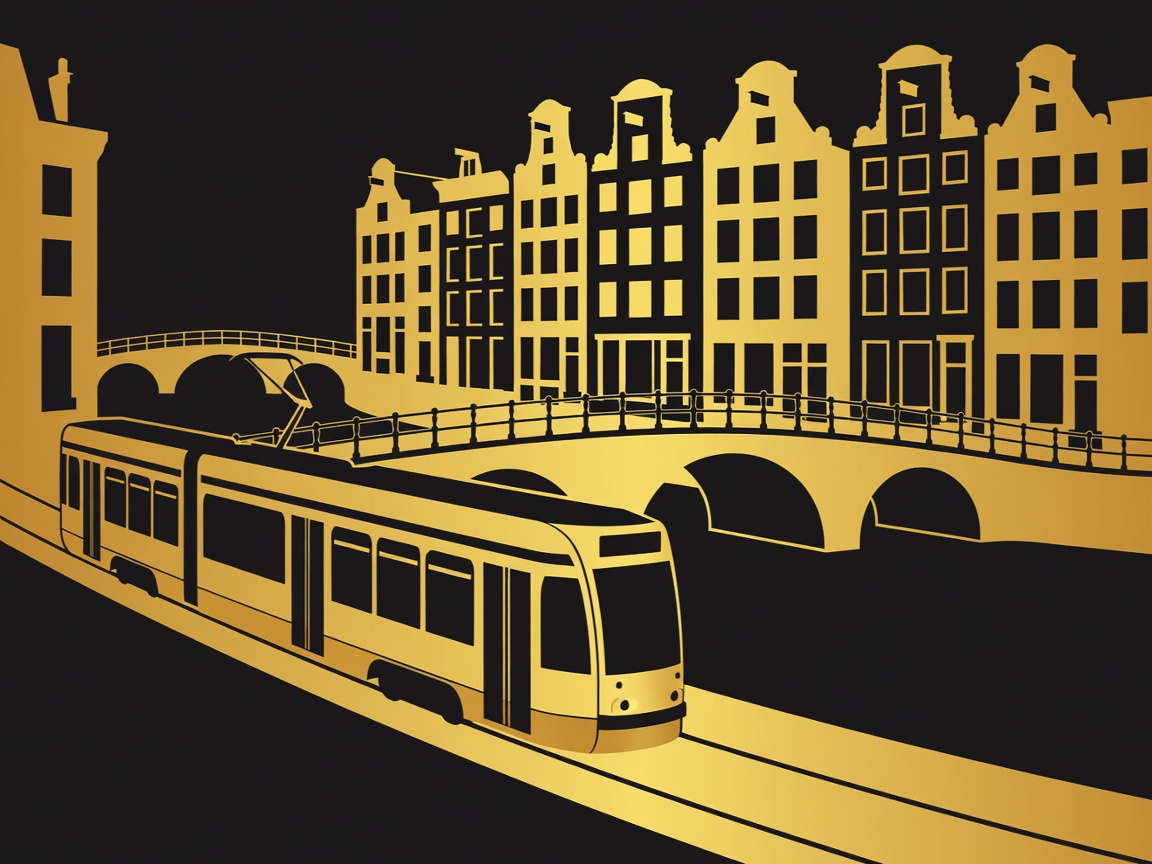
Amsterdam, Netherlands
A symphony of trams and bicycles. The concentric canal rings naturally restrict automotive flow, creating a tranquil urban core where pedestrians and cyclists reign supreme amidst golden-age architecture.
Top Walkable City Metrics
| City |
Pedestrian Zones (km²) |
Transit Score (1-10) |
Best Season |
| Venice |
414.5 (All) |
9 |
Spring/Autumn |
| Copenhagen |
3.5 (Core) |
10 |
Summer |
| Kyoto |
N/A (Mixed) |
8 |
Autumn |
| Amsterdam |
1.2 (Core) |
10 |
Spring |